
Episiotomy in Singapore: What Every Mum Should Know by Birth Doula & Dr Rita Ren Women’s Physio Insights
For many pregnant women in Singapore, birth planning brings up unfamiliar terms and medical practices including episiotomy. The idea of a surgical cut during childbirth can feel intimidating or even frightening, especially when parents aren’t always clear on why it might be suggested, how often it’s done, or what long-term effects to expect.
While some parents in Singapore never hear about episiotomy until labour, others are told it’s routine or necessary for certain births. Yet international research and local experience increasingly show that episiotomy isn’t always required and may not offer clear advantages over a natural tear for most mums. This makes it essential to have open, evidence-based conversations, especially in Singapore’s maternity system where episiotomy rates are higher than in many other countries and practices vary between hospitals or providers.
As a birth doula and mother here in Singapore, I’ve seen first-hand how anxious or unprepared parents can feel about this procedure. That’s why I’m teaming up with Dr Rita Ren, a women’s health physiotherapist at Singapore Physio, to bring some clarity to this important topic. Together, we want to deliver practical, evidence-based information so you feel confident discussing episiotomy options and supporting your recovery.
Throughout this article, you’ll also hear from Dr Rita—who will share her professional insights, advice for perineal and pelvic floor preparation, and guidance for healing after birth. Our goal: help every Singapore mum feel empowered to ask questions, make informed choices, and support their body during pregnancy and recovery.
What is an Episiotomy?
An episiotomy is a surgical incision made in the perineum—the area between the vaginal opening and the anus—during childbirth. The main purpose is to widen the vaginal opening and facilitate delivery, typically when rapid birth is needed or there’s concern about severe tearing.
There are two main types of episiotomy incisions:
● Midline (vertical): A straight cut directly toward the anus. It’s easier to repair but has a higher risk of extending into the anal area.
● Mediolateral (angled): A cut made at an angle away from the anus, which lowers the risk of severe tearing but is more painful to recover from and more challenging to repair.
The procedure is carried out under local anesthesia (or with an epidural already in place), and the incision is stitched up after the birth.
Historical Perspective:
Episiotomy was once routinely performed worldwide with the idea that it would prevent serious vaginal tears, protect the pelvic floor, and make births faster and easier to repair. However, new evidence has shown that routine episiotomy does not offer these benefits and may actually increase the risk of complications. As a result, routine episiotomies are no longer recommended and are now reserved for specific medical situations
Current Global and Local Guidelines
● Today, major international health bodies (WHO, ACOG, RCOG) recommend a restrictive approach—episiotomy should NOT be routine, but reserved for special situations such as fetal distress, instrumental delivery (forceps or vacuum), or high risk of very severe natural tearing.
Episiotomy Rates and Guidelines in Singapore
● Episiotomy is performed more commonly than in some other countries, but local and global guidelines are encouraging medical professionals to limit use to specific indications rather than making it standard practice.
Benefits vs. Risks
● Benefits (when needed for medical reasons):
● Rapid birth in cases of fetal distress
● Easier use of forceps or vacuum
● Occasionally, prevention of irregular, severe natural tears
● Risks (when overused):
● More pain and longer recovery compared to many natural tears
● Higher risk of infection, heavier bleeding, and complications
● Greater risk of severe tears extending into the anal area (OASI: obstetric anal sphincter injury)
● Possible pelvic floor issues, scar discomfort, or painful sex postpartum
Tearing vs. Episiotomy: What’s Safer?
● Most research now shows that natural tearing is often less severe than a surgical cut:
● Natural tears are usually smaller, heal faster, and are less likely to extend into the anal sphincter.
● Routine episiotomy is associeted with higher rates of wound complications, infection, hematoma and postpartum perinal pain, and current evidence is mixed on whether it increases the risk of severe third or fourth degree tears ( OASI)
● Restrictive use of episiotomy results in better outcomes for mothers less pain, faster healing, and improved long-term pelvic floor health.
How Often Is It Done?
● Recent studies show that while rates in many countries are below 20%, Singapore’s rates are higher, with significant variation between practitioners and hospitals.
● Local experts encourage mums to discuss this openly with their care provider and request episiotomy only when truly necessary.
Episiotomy is sometimes needed for safe delivery, but most mums do not require it. A restrictive, individualized approach based on up to date evidence leads to the best outcomes for both mother and baby.
How Can You Minimize your Risk of Tearing And Episiotomy In Singapore
Research shows there are several steps you can take during pregnancy and birth to reduce the chance of serious tears or needing an episiotomy:
● Perineal Massage:
Massaging the perineum from 34 weeks onward helps the tissue become more flexible and less likely to tear. Studies show perineal massage significantly decreases the risk of both severe tearing and episiotomy, and increases the chance of an intact perineum, as well as reducing perineal pain at 3 months post-partum in women who have had previous vaginal birth.
● Pelvic Floor Physiotherapy:
Seeing a women’s health physiotherapist during pregnancy can help you learn targeted exercises to strengthen, stretch, and relax your pelvic floor supporting both birth and recovery.
● Birth Plan and Positioning:
Discuss your birth preferences with your doctor and include your wishes about episiotomy. Positions like side-lying or hands and knees promote slow stretching and can lower the risk of serious tears versus lying flat or with knees pulled up. Warm compresses on the perineum during pushing also help the tissues stretch.
One of the most powerful ways to understand your actual risk and the likelihood of an episiotomy is to ask your care provider about their standard approach. A clear conversation at your prenatal visits can help you understand hospital or doctor policies, and give you realistic probabilities and tailored recommendations for your own situation.
By openly discussing these points in your birth plan and prenatal appointments, you build trust and make informed choices with your team. Every mum and every birth is unique your voice and preferences matter.
Questions to Ask Your Doctor at Prenatal Visits
● When do you consider episiotomy necessary? Is it routine in your practice?
● What are the risks and benefits of an episiotomy compared to a natural tear?
● What percentage of your patients have episiotomies? Are there ways to lower my risk?
● Can I include my preference about episiotomy in my birth plan?
● Do you support using perineal massage, warm compresses, or gentle pushing techniques to minimize tearing?
Episiotomy is not a standard requirement for all births and with the right information, physiotherapy, and communication, most Singapore mums can make choices that support gentle birth and faster healing.
If you’re pregnant in Singapore, begin conversations early with your care team and consider seeing a women’s health physio. Include your wishes in your birth plan, and don’t hesitate to ask direct questions at every prenatal visit.
Ready to feel confident about your birth experience?
Connect with your doula and physiotherapist for evidence-based support tailored to you. Your birth, your way informed, prepared, and empowered.
Women’s Physio Dr Rita Ren Insights on Episiotomy and Pelvic Floor Recovery in Singapore.
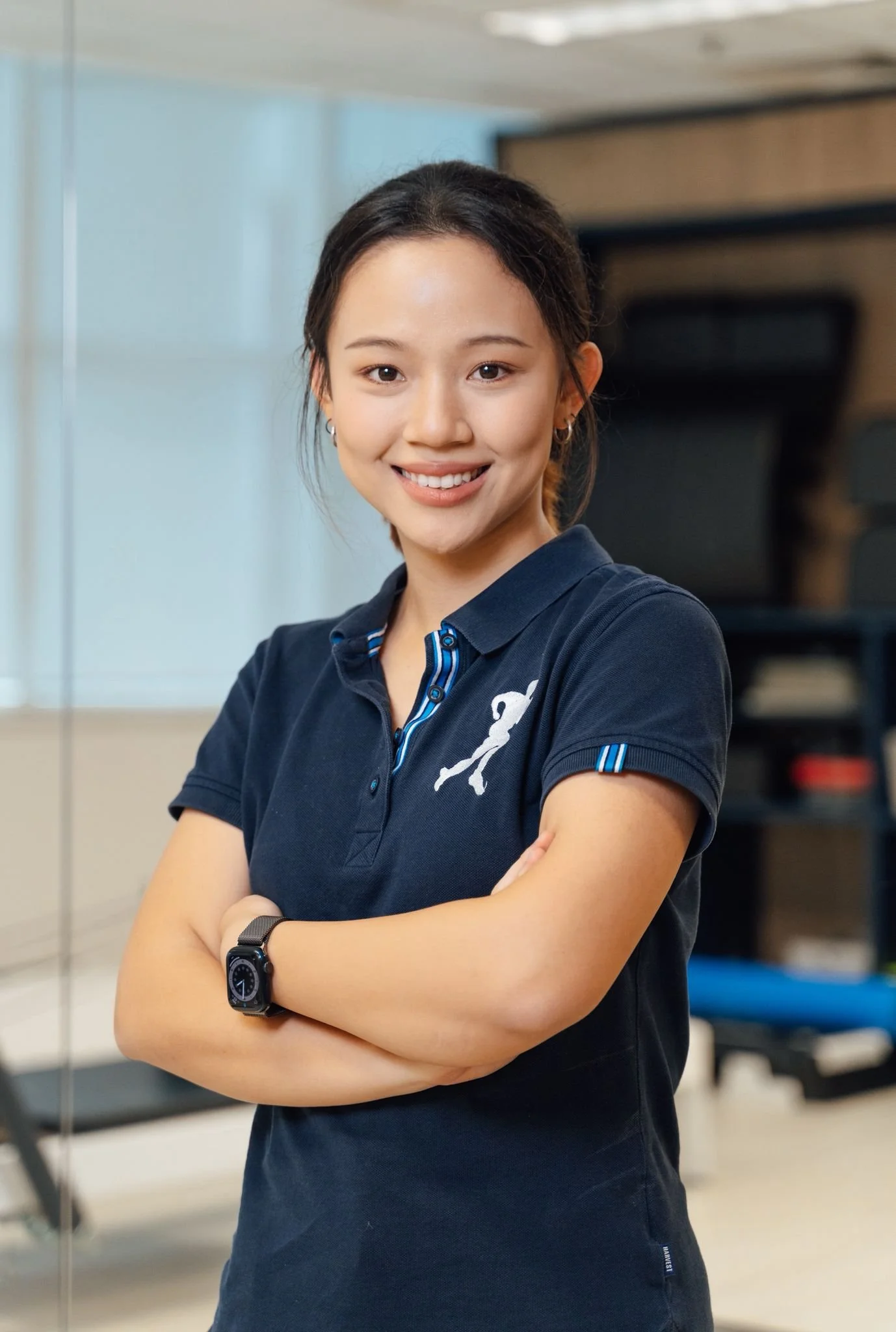
Women’s Physio Dr Rita Ren
1. What are the biggest misconceptions Singapore mums have about episiotomy and pelvic floor recovery?
A very common misconception is the belief that “cutting means the pelvic floor is permanently damaged.” In reality, while an episiotomy is an injury that needs healing, the pelvic floor is made of adaptable, responsive muscle and connective tissues. With targeted rehabilitation, many mums regain strong pelvic floor function, coordination, and control. Recovery is not just about the stitches closing. It is about retraining muscles that have been stretched, restoring movement in scar tissue, and helping the whole pelvic region regain confidence.
Another misconception is that once the wound is stitched, pelvic floor strength will simply return on its own. Healing on the surface and healing functionally are two different processes. Without proper rehab, many mums do not re-engage their pelvic floor well or may start compensating with surrounding muscles. This can lead to long-term issues such as incontinence, pelvic pain, heaviness, or scar tightness. Proper guidance ensures pelvic floor muscles relearn how to both contract and relax, which is equally important.
It also helps to clarify that not all episiotomies are alike. Midline episiotomies, where the cut points downward towards the anus, are associated with higher rates of severe tears. Mediolateral episiotomies, angled at about 60 degrees at crowning, have a lower risk. Understanding this helps mums make informed decisions and reduces the unnecessary fear around the word “episiotomy”.
2. From your experience, how can pelvic floor physiotherapy help reduce the risk of tearing or episiotomy during birth?
The three most helpful areas of preparation are perineal massage, pelvic floor muscle training, and teaching effective pushing techniques.
Pelvic floor training starts as soon as possible in pregnancy. During antenatal sessions, I assess how a mum is activating her pelvic floor, then tailor a program for strength, endurance, coordination, and also relaxation. Relaxation is especially important because overly tight or high-tone pelvic floors are less able to stretch during birth and may increase the risk of tearing. Down-training and breath work become essential for these mums.
Perineal massage usually begins from 34 weeks. There is good research showing that regular perineal massage from 34 weeks reduces the likelihood of episiotomy and assisted birth, especially for first-time mums.During appointments, I teach the technique hands-on so both mum and partner feel confident. It gently stretches the perineum and increases the stretch tolerance of the tissues.
Labour technique is another key part of birth preparation. Many mums unknowingly tighten their pelvic floor when they are meant to be yielding and opening. During sessions, I check that the pelvic floor is descending well during simulated pushing. I also teach breathing strategies like long, slow exhales to guide the baby’s descent instead of forceful breath-holding. Practising instinctive pushing and avoiding directed, high-pressure pushing can significantly reduce strain on the perineum. These subtle changes can make birth gentler and more controlled.
3. What simple home exercises or habits can expecting mums start in pregnancy to prepare the perineum and pelvic floor for birth?
Strengthening and relaxing the pelvic floor is one of the most helpful ways expecting mums can prepare for birth. Think of the pelvic floor as a hammock of muscles that needs both power and flexibility. Strengthening exercises, like gentle Kegels, improve support and stability during pregnancy, while relaxation exercises teach the muscles to release during the pushing stage. Practicing slow, deep breathing and learning to consciously relax on the inhale helps the pelvic floor stretch more comfortably as the baby descends, which can reduce tension and lower the risk of tearing.
Hip mobility and perineal relaxation play an equally important role. When the hips are flexible, the pelvis can open more easily, giving the baby more space to rotate and move down. Simple stretches, such as supported squats, hip circles, or figure-4 stretch, help loosen tight muscles that might otherwise put extra strain on the perineum. Pairing these movements with intentional perineal relaxation teaches your body to stay soft instead of clenching during crowning.
4. How soon should someone consider seeing a physio during pregnancy—and what can they expect in a typical consultation?
I recommend coming in once they have passed the first trimester. In the second trimester, sessions focus on understanding the physical changes of pregnancy, addressing pain or discomfort as they arise, and beginning pelvic floor training and a tailored antenatal exercise program.
As mums enter the third trimester, I shift towards birth preparation. This includes education about the stages of labour, planned birth positions, breathing strategies, and everything mentioned above. The home program becomes more focused on strengthening in birthing positions and developing endurance for labour.
As the due date approaches, I also guide them through what to expect in the early postpartum weeks. We discuss managing perineal discomfort, caring for episiotomy scars if you have one, supporting breastfeeding, and looking after bladder and bowel function. Setting expectations early helps new mums feel more prepared and less anxious.
5. What is your advice for perineal massage, and how should it be done safely at home?
Partners often assist with perineal massage because it can be difficult for mums to reach comfortably, but mums can absolutely do it themselves if they prefer. With clean hands, lubrication, and gentle pressure, the goal is to stretch the tissues at the vaginal opening while staying within comfort. During appointments, I demonstrate the technique so they know exactly what to feel for. It should never be painful, only a firm stretching sensation. They can do it one to three times per week.
There are situations where perineal massage is not recommended, such as active bleeding, vaginal infection, ruptured membranes (water broke), pre-eclampsia, or placenta previa. If you are unsure, always speak with your obstetrician before starting.
6. Are there particular birth positions or labor techniques that can help reduce straining and protect the pelvic floor?
Yes, anything that’s upright and forward-leaning positions are especially helpful, such as supported squats, kneeling, or hands-and-knees. These positions widen the pelvic outlet, allow the baby to rotate more optimally, and avoid compressing the perineum against the bed, which is more likely to happen in flat, supine positions. Side-lying is another gentle and highly effective position for controlled pushing, helping the perineum open gradually and reducing the likelihood of sudden stretching.
Breathing techniques also make a meaningful difference. “Breathing the baby down” helps avoid pressure spikes on the pelvic floor. Allowing spontaneous, instinctive pushing rather than forceful coached pushing supports the natural lengthening of the pelvic floor. Warm perineal compresses during pushing are well-supported by research and can reduce the risk of severe tears by improving blood flow and helping tissues soften.
It is also important to remember that even with excellent preparation, some factors such as baby size or position, speed of labour, and instrumental birth can influence tearing. Preparation significantly helps, but mums should not blame themselves if things do not go as expected.
7. After birth, what are your top tips for healing and regaining strength—especially if someone has had an episiotomy or significant tear?
In the immediate postpartum period, rest is extremely important. Applying ice, using gentle compression garments, elevating the pelvis, and prioritising horizontal rest for at least two hours during the day can help ease swelling and discomfort. Good sleep and practical support from a partner or helper make a huge difference to recovery.
There is usually no need to rush into pelvic floor muscle training within the first six weeks. At your postnatal physio check, we assess the pelvic floor, the scar, your abdominal wall, and devise a safe and progressive strengthening program based on how your body is healing. Gentle walking and light movement are both encouraged early on, as they support circulation and overall recovery.
It is also good to know that breastfeeding can temporarily lower estrogen levels, which may cause dryness, scar sensitivity, or discomfort with intimacy. This is completely normal and treatable. Pelvic Physiotherapy can help with scar care, pelvic floor relaxation, lubrication strategies, and pacing your return to sexual activity.
8. How common is it for Singapore mums to seek postnatal physiotherapy, and how can it support recovery?
Unfortunately, it is still less common here than it should be. Many women seek rehab after surgeries or injuries but overlook postpartum recovery, even though birth places significant demands on the body.
The value of postnatal physiotherapy is tremendous. It helps women heal well, regain strength, and return to work, and exercise with confidence and comfort.
9. Are there any red flags or symptoms after birth when a mother should reach out for physio help straight away?
Important symptoms to look out for include urinary or faecal incontinence, strong urges, constipation, heaviness or bulging around the perineum, and painful sex. Other common postpartum issues like wrist pain (often called “mummy thumb”), neck and shoulder tightness, back pain, mastitis, or blocked ducts also benefit from physiotherapy support. Early help often leads to quicker, smoother recovery.
10. What advice do you have for mums putting together a birth plan, specifically around episiotomy preferences and pelvic floor care?
When putting together a birth plan, it helps to view your episiotomy preferences and pelvic floor care as part of the same goal: protecting your perineum while supporting a safe birth. It is completely appropriate to state that you prefer to avoid an episiotomy unless there is a clear medical indication, and that you would like perineal protection strategies used first.
A good birth plan isn’t about controlling every moment but about helping your support team understand your body and your preparation. If you have been practising certain breathing or pushing strategies, or if you tend to hold tension in your pelvic floor, include that so your birth support team can guide you effectively. When everyone is on the same page, your pelvic floor will be better protected.